





Mon – Sat | 9:00 AM – 6:00 PM (SGT)
Walk into any Indian home and you will probably find at least one brass item. It could be a pooja diya, a kalash, a God idol, a brass urli, or even a traditional masala dabba in the kitchen.
Brass has been used for generations because it is strong, long-lasting, and easy to maintain. But there is one thing every brass owner notices after some time. The bright golden finish slowly becomes dull.
The good news is that this is completely normal.
If you are searching for how to clean brass items, you don't need expensive polishes or professional cleaners. A few ingredients from your kitchen are often enough to bring back the shine.
In this guide, you'll also learn how you can clean brass easily without damaging your favourite brass pieces.
Many people think dull brass means poor quality. It doesn't.
Brass naturally reacts with air and moisture. This creates a thin layer on the surface called tarnish.
If you live in Singapore, you may notice this even faster. The weather is humid almost throughout the year. Oil from your hands, incense smoke, cooking fumes, or water marks, and brass begins to lose its shine.
This happens to almost every brass item. Fortunately, it is easy to clean.
You probably already have everything you need in your kitchen.
This is one of the oldest home remedies.
This method works well for brass diyas, pooja bells, pooja thalis, and kalash.
Sometimes brass develops darker stains. For those, make a simple paste.
You don't need to press hard. Gentle rubbing is enough.
This is another traditional method used in many Indian homes.
Many people still prefer tamarind for larger brass vessels.
Not every brass item needs polishing. Sometimes it only needs cleaning. Warm water and a few drops of mild dish soap are enough for regular maintenance. This removes dust, fingerprints, and light grease. Always dry the item after washing.
Every brass product is used differently. So the cleaning method also changes a little.
Oil builds up in diyas after regular use.
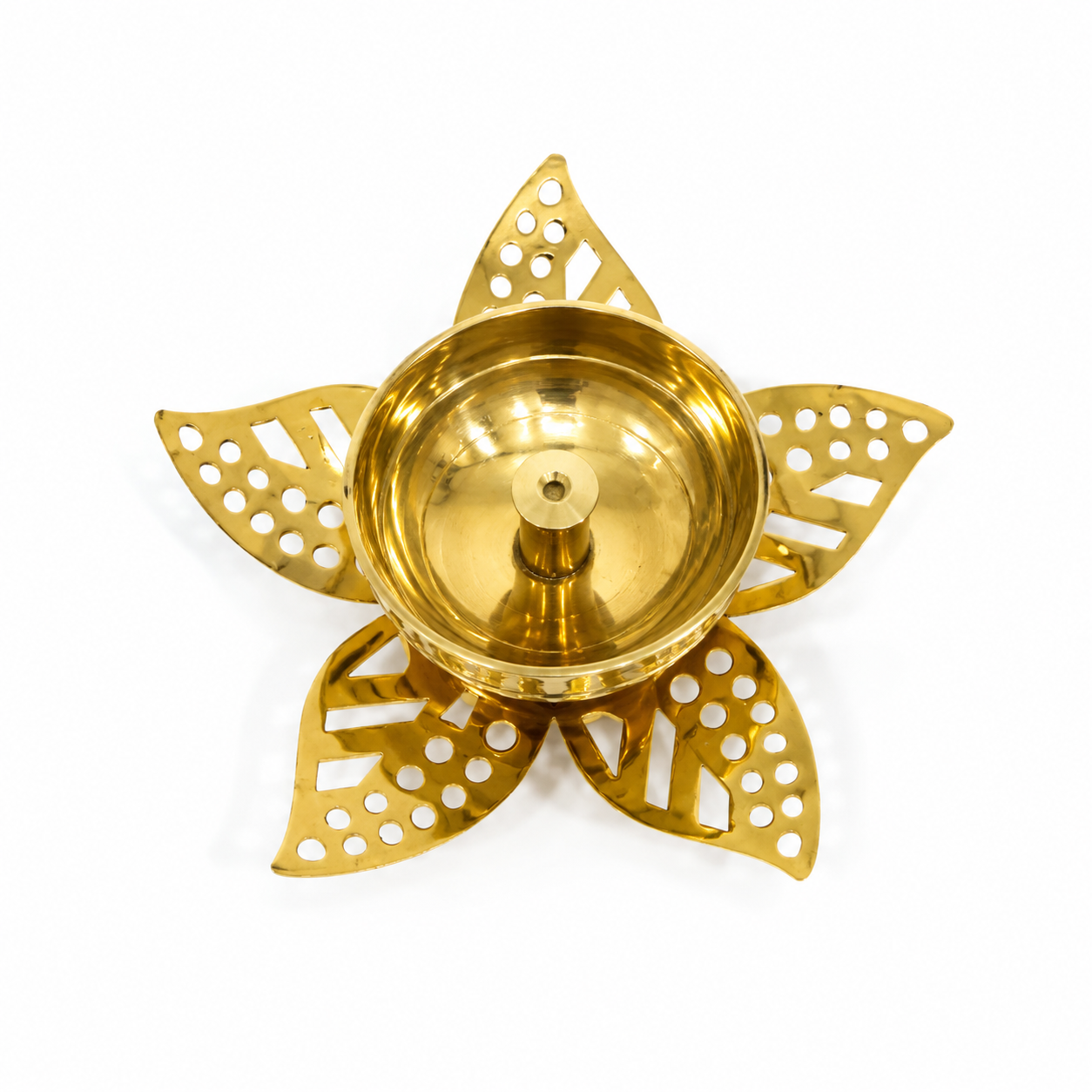
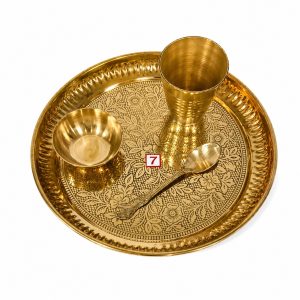
Turmeric, kumkum, sandalwood paste, and oil often leave marks. Don't wait for them to dry. Cleaning the thali soon after pooja makes the job much easier.
God idols usually have fine details. Dust settles inside small corners. Use a soft toothbrush to clean those areas. Avoid using sharp objects.

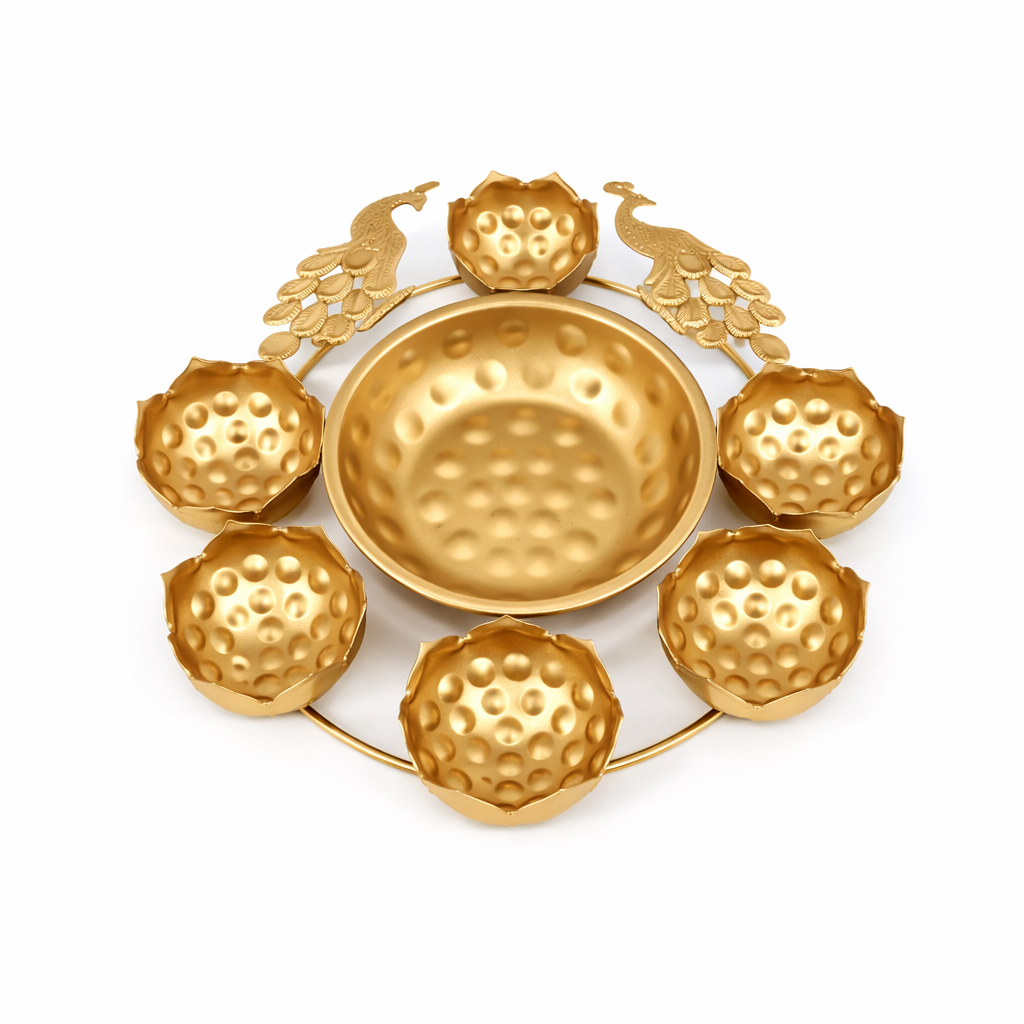
Metal urlis often hold water and floating flowers.
This helps prevent water stains.
These are often used every day. Wash them after use. Dry them immediately. This prevents water spots from forming.
Always make sure the containers are dry before adding spices. Even a little moisture can affect the spices. Dry each compartment well after washing.
Cleaning brass is simple. But a few mistakes can spoil the finish.
Avoid these:
These methods can scratch the surface or damage the finish. Gentle cleaning always gives better results.
There is no hard & fast rule. It depends on how often you use the item.
Don't wait until the brass becomes very dark. Regular cleaning takes much less effort.
Singapore's humid weather can make brass tarnish faster. That doesn't mean you need to polish it every week. A few simple habits help a lot.
Even these small steps make a noticeable difference.
Good quality brass lasts for years. It can be cleaned again and again without losing its beauty.
Whether you're buying a brass diya for daily pooja or a decorative urli for your living room, choosing genuine brass is always worth it.
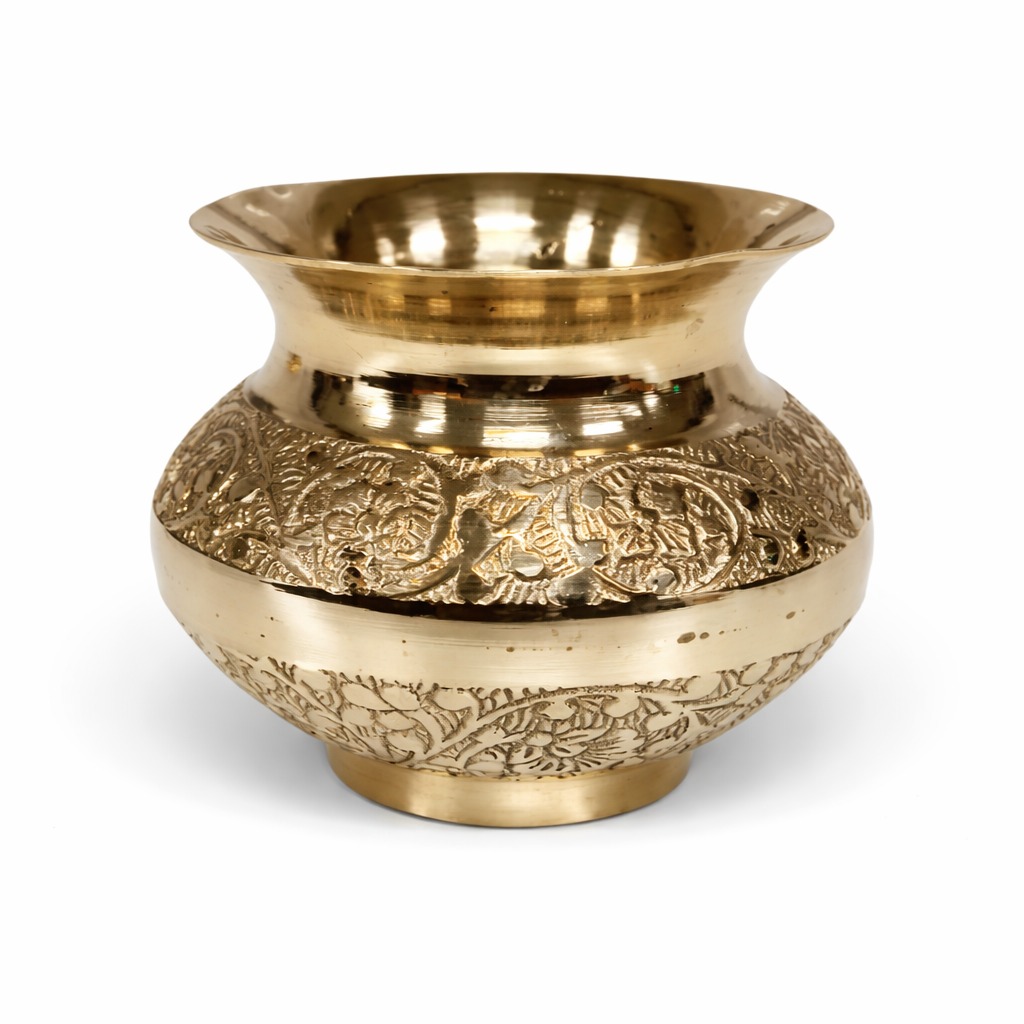
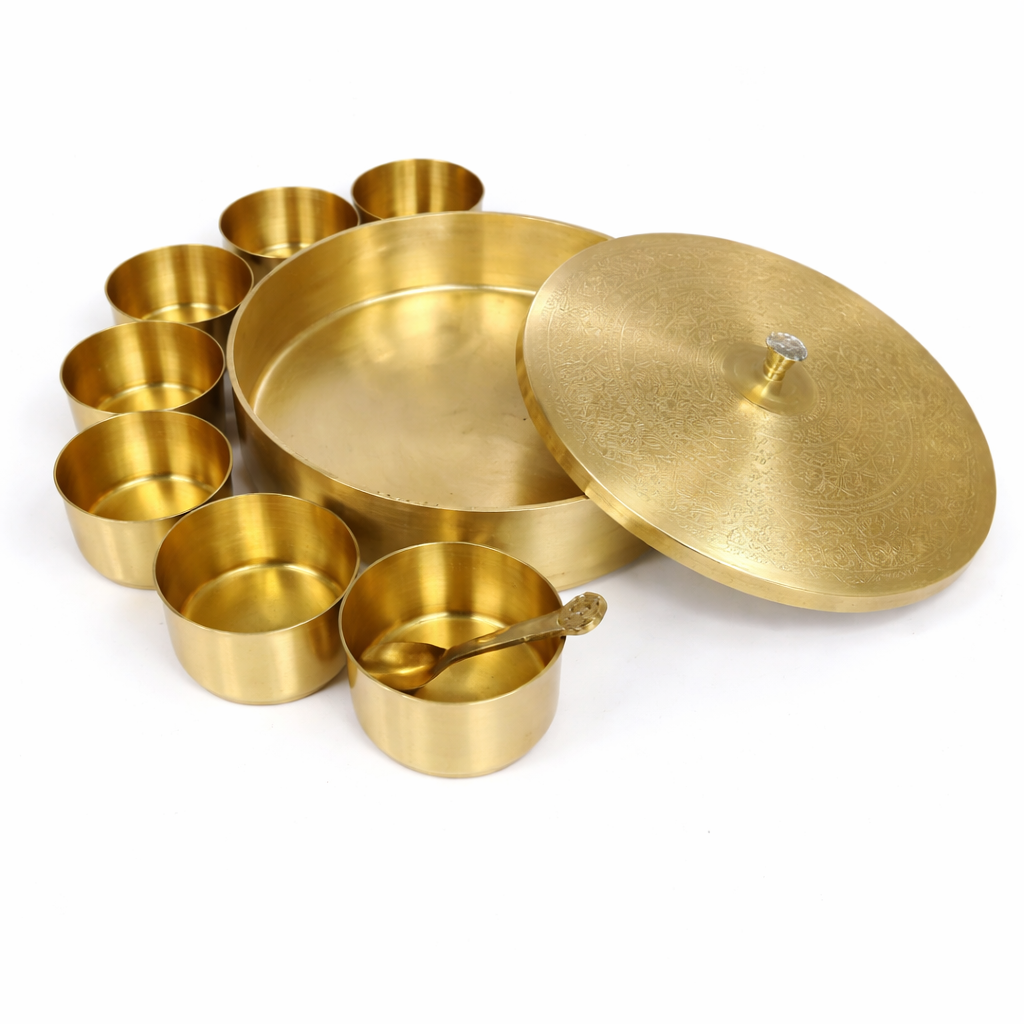
At Adoura Gifts, you'll find a wide range of brass products, including:
With proper care, these products can become part of your family's traditions for many years.
Here are a few habits that make brass care easier.
These simple habits save a lot of work later.
Yes, white vinegar can help remove tarnish from solid brass. It is often mixed with a little salt or flour to make a gentle cleaning paste. After cleaning, rinse the item thoroughly and dry it with a soft cloth.
Commercial brass polishes can be effective, but they should be used according to the manufacturer's instructions. If the brass item comes into contact with food or is used during religious rituals, many people prefer natural cleaning methods such as lemon or tamarind.
Store brass items in a cool, dry place. Wrap rarely used pieces in a soft cotton cloth or tissue paper to reduce exposure to moisture and dust. Avoid storing them in damp areas.
In most cases, yes. Surface tarnish can usually be removed with regular cleaning. However, very old brass with deep oxidation may require additional polishing to restore much of its original shine.
No. Routine washing with mild soap is enough for everyday maintenance. Polishing is only needed when the brass starts looking dull or develops visible tarnish.
No. Dishwashers use high temperatures and strong detergents that can affect the finish of brass. Hand washing with mild soap and water is the safer option.
Brass doesn't need complicated care. A little attention now and then is enough.
If you know how to clean brass items, you can keep them looking bright without spending much money or time. The next time someone asks about cleaning brass easily, you'll know the answer. Use simple kitchen ingredients, clean gently, and dry every item well.
Whether it's a diya used every evening, a pooja thali brought out during festivals, or a brass urli displayed at your entrance, regular care helps these pieces stay part of your home for years.
