
Bulk & Custom Order Orders above 100 pieces are priced individually
- call +65 8196 6788
- call +65 8196 6788
S$53.50
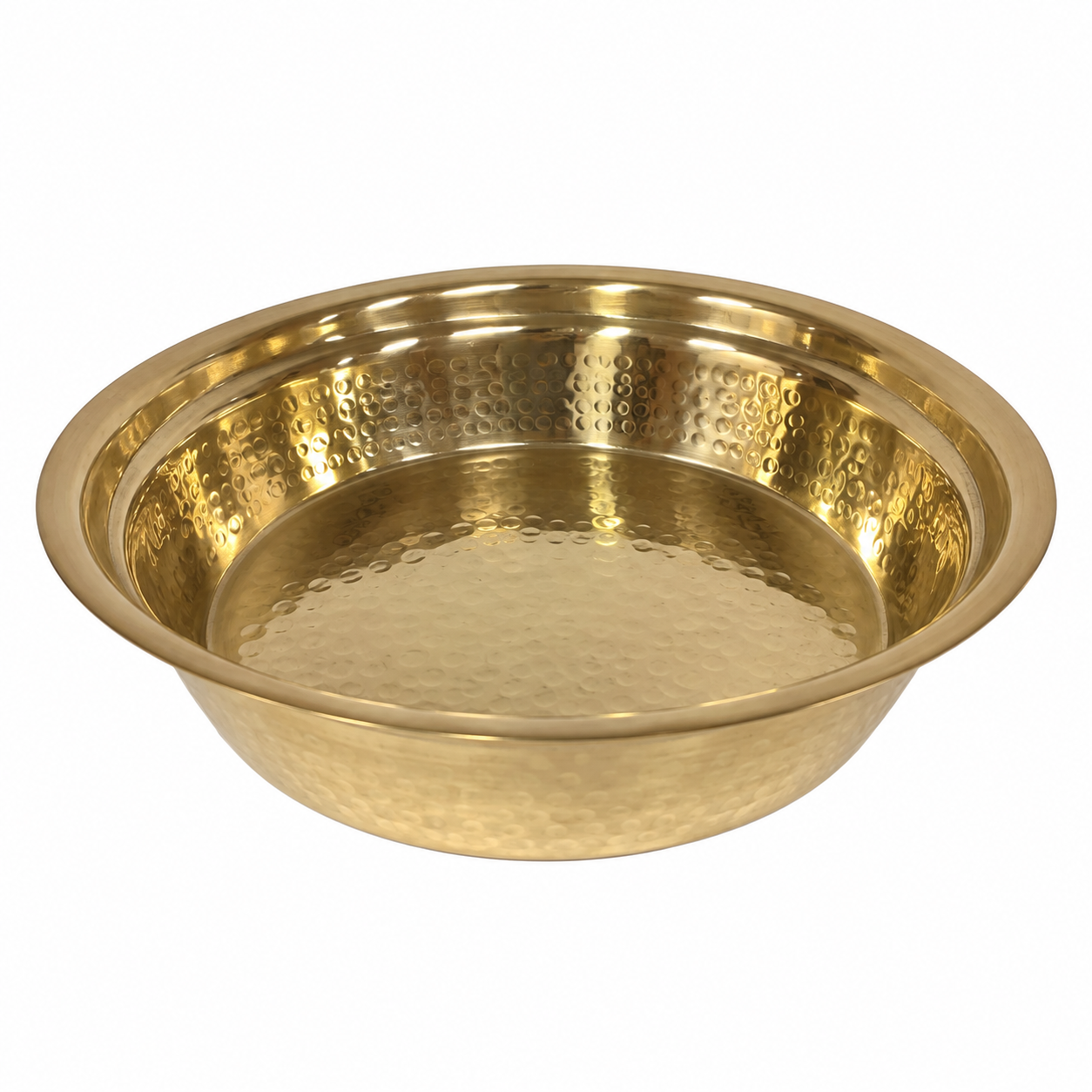
Bring a traditional kitchen essential into your home with this beautifully finished brass paraat, designed for everyday food preparation as well as heritage-style kitchen use. With its broad, shallow form and solid brass construction, this plate offers plenty of working space for mixing and kneading while retaining the classic look of traditional Indian cookware.
The wide circular shape makes it especially practical for working with flour and dough. Whether you are preparing atta for roti, chapati, poori, paratha, or other homemade breads, the open design gives your hands enough room to combine ingredients comfortably. Unlike deeper bowls, a paraat allows you to spread, fold, and knead dough without feeling restricted, which is why this style has remained popular in Indian kitchens for generations.
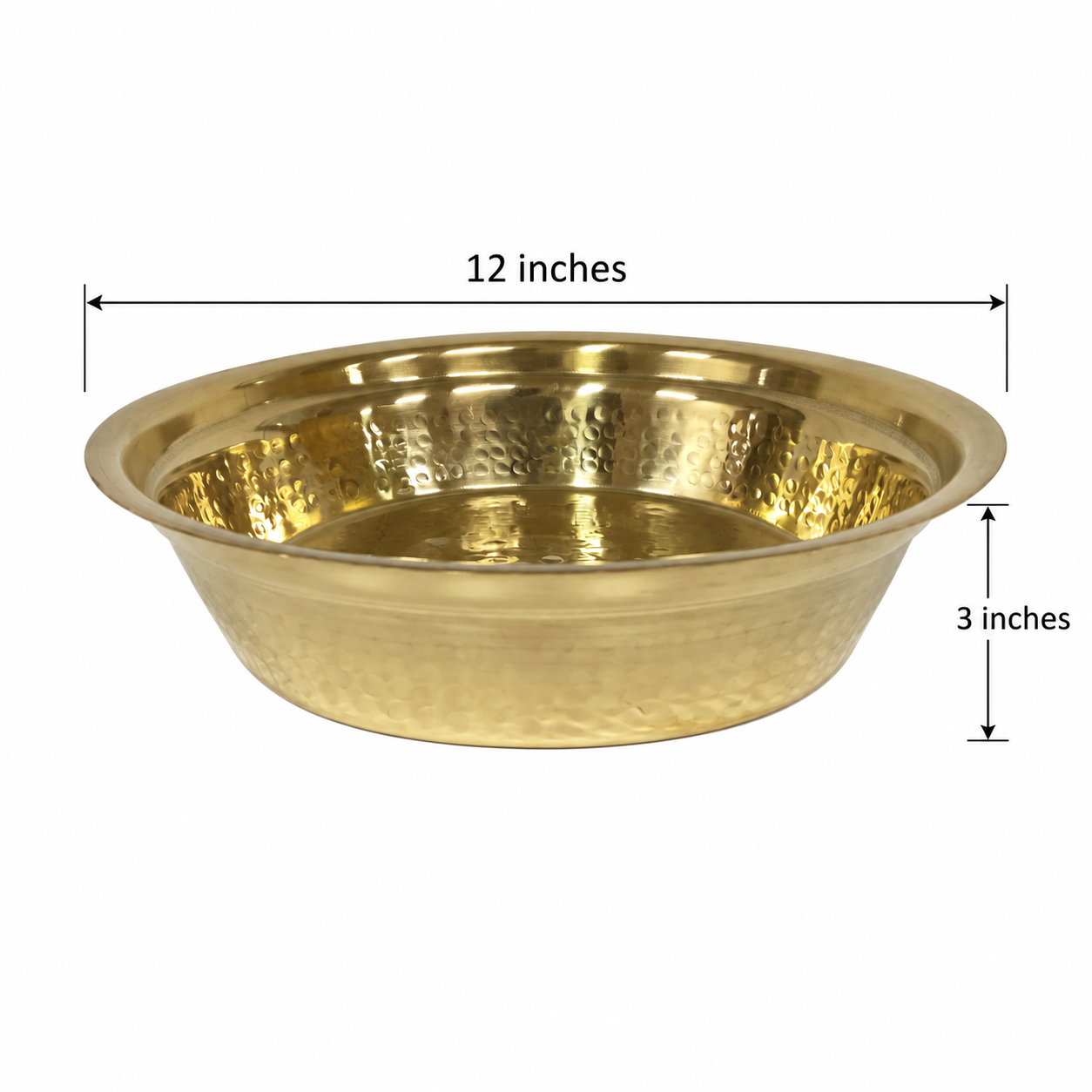
This brass kneading plate measures approximately 12 x 3 inches, giving it a generous working surface while keeping the overall profile low and easy to handle. At around 1.365 kg, it has a reassuring weight that helps it stay more stable on the counter during mixing and kneading. The broad rim also makes it easier to grip when moving the bowl between the countertop, dining area, or storage space.
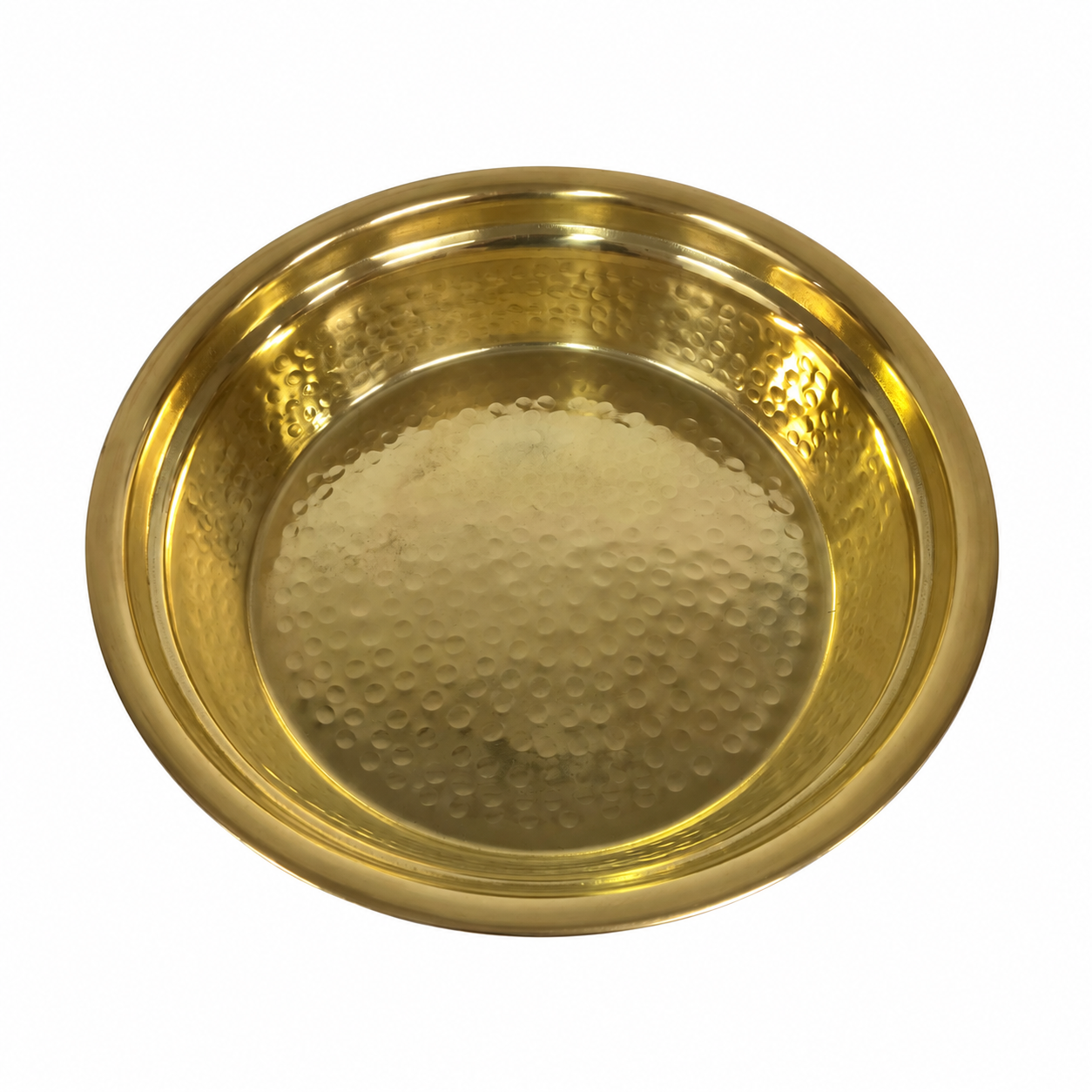
The hammered detailing visible along the inner surface adds character to the piece and gives it a handcrafted-style finish without making the design overly decorative. Its warm golden tone makes the plate attractive enough to be used beyond food preparation as well. It can be brought to the table for traditional serving, used during festive cooking sessions, or displayed as part of a brass kitchenware collection.
Brass has long been associated with traditional Indian households, especially for cookware, serving ware, and pooja accessories. Over time, the surface may naturally develop a deeper tone or patina. This is a normal characteristic of brass and can either be embraced for its aged look or polished periodically if you prefer a brighter shine.
The paraat also works beautifully as a thoughtful gift for someone setting up a new kitchen. Its combination of usefulness, traditional appeal, and substantial construction makes it suitable for housewarmings, weddings, festive gifting, or as part of a curated heritage kitchen set. It is the kind of item that feels special but is still practical enough to be used regularly.
For best results, wash the plate gently after use and dry it completely before storing. Avoid leaving food or water sitting in the plate for extended periods, and use suitable brass-cleaning methods when needed. With simple care, this brass paraat can remain a useful and attractive part of the kitchen for years.
1. What is a brass paraat mainly used for?
A paraat is traditionally used for kneading dough because its broad and shallow shape provides plenty of room for mixing flour, water, and other ingredients by hand.
2. Is this plate suitable only for kneading?
No. While it is especially practical for dough preparation, it can also be used for mixing dry ingredients, festive food preparation, or traditional serving when required.
3. Will the brass surface remain bright over time?
Brass naturally changes colour with exposure to air and moisture. It may gradually develop a darker tone or patina, which can be polished away if you prefer a brighter finish.
4. Is the plate heavy enough to stay steady while kneading?
Yes. At approximately 1.365 kg, the plate has a substantial weight that helps provide better stability during normal kneading and mixing.
5. How should I care for the paraat after use?
Wash it gently, rinse thoroughly, and dry it immediately. Avoid prolonged soaking and harsh abrasive scrubbers, as these can affect the brass finish.
Disclaimer:
Brass products may have slight variations in colour, finish, detailing, measurements, and minor surface or handling marks/fine scratches. These can naturally occur during manufacturing, polishing, packing, or transportation and are not considered defects. Actual colours may also vary slightly due to lighting and screen settings.
Returns or replacements will not be accepted for these natural variations or minor surface marks.